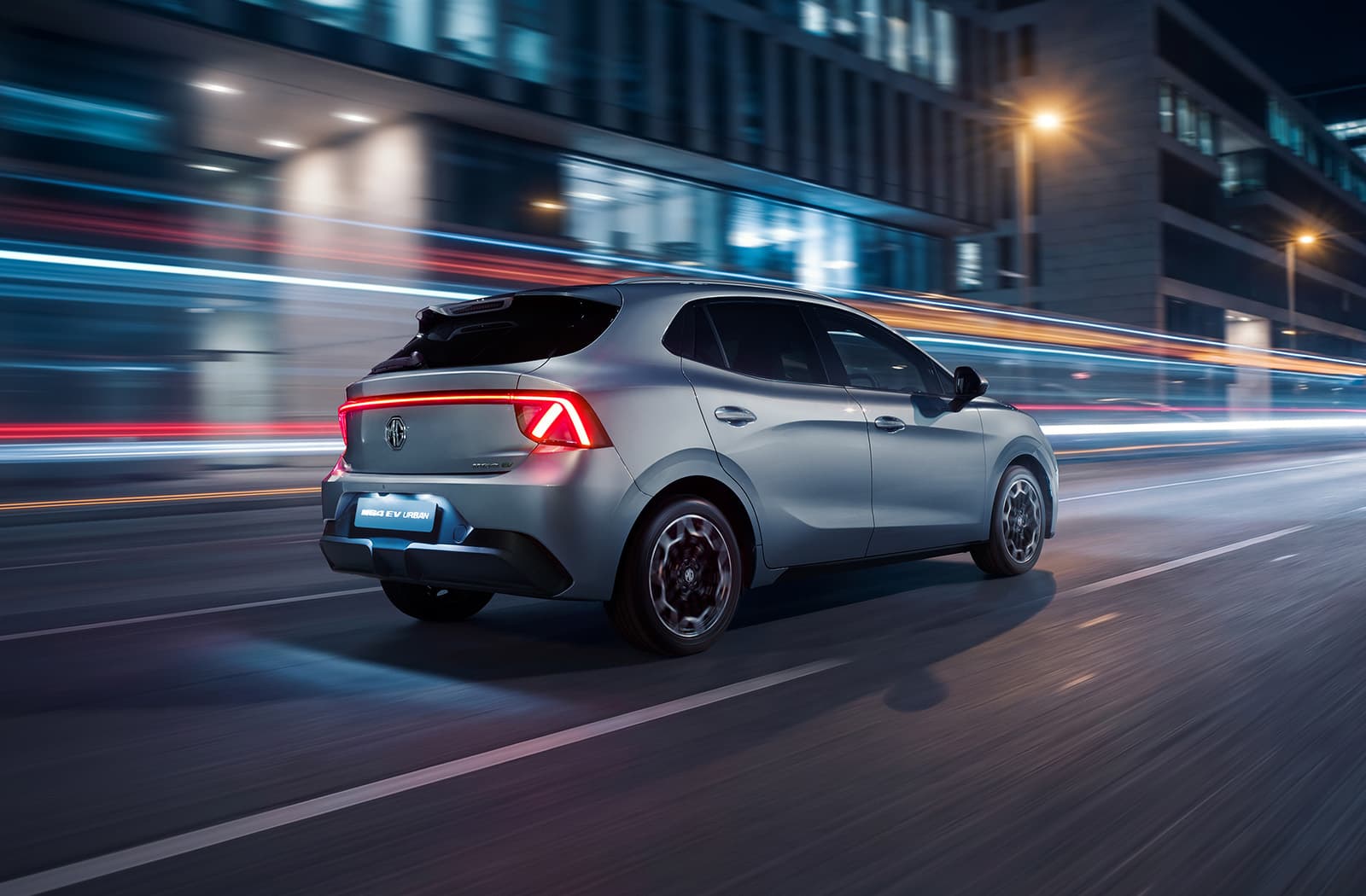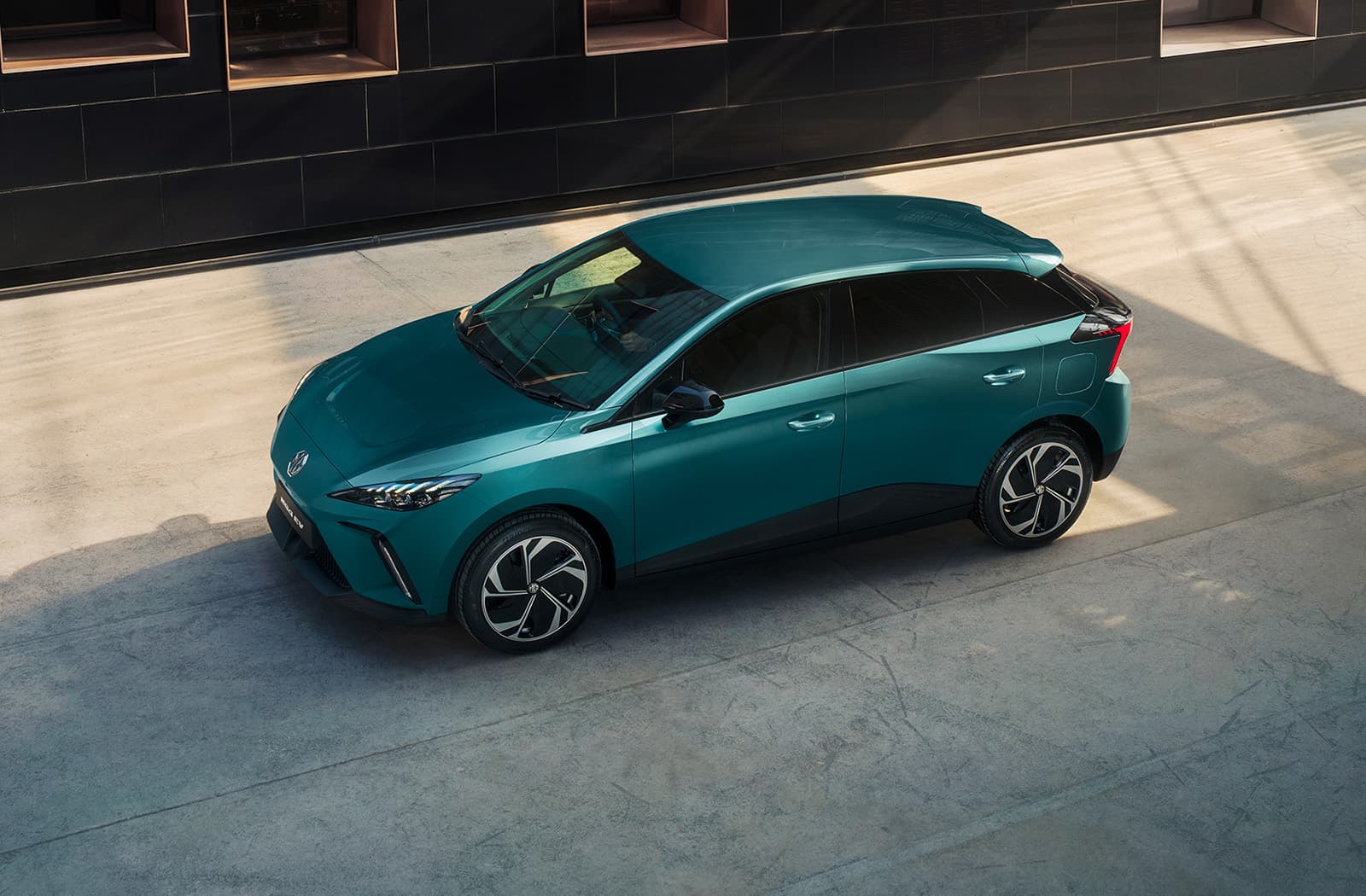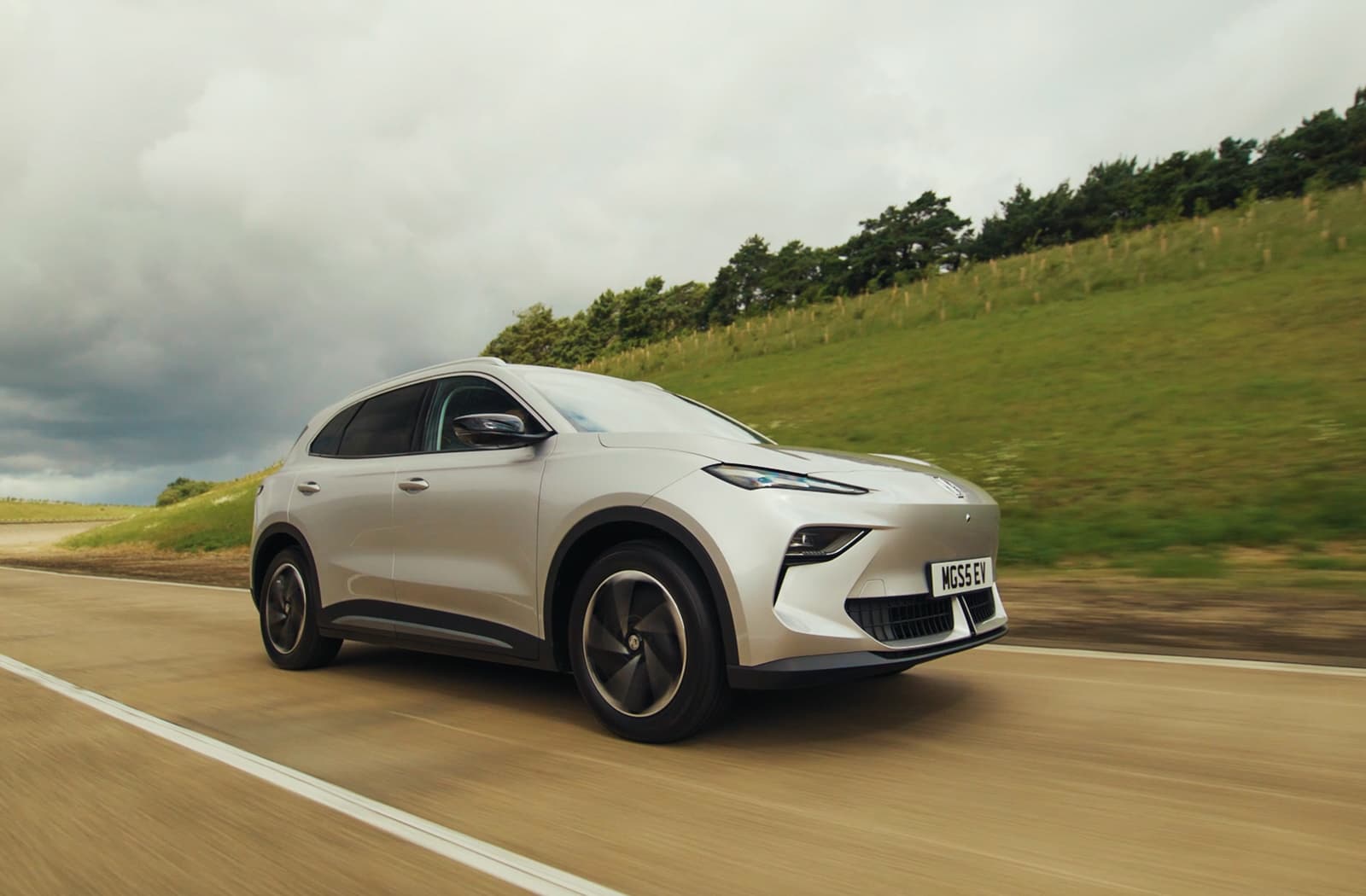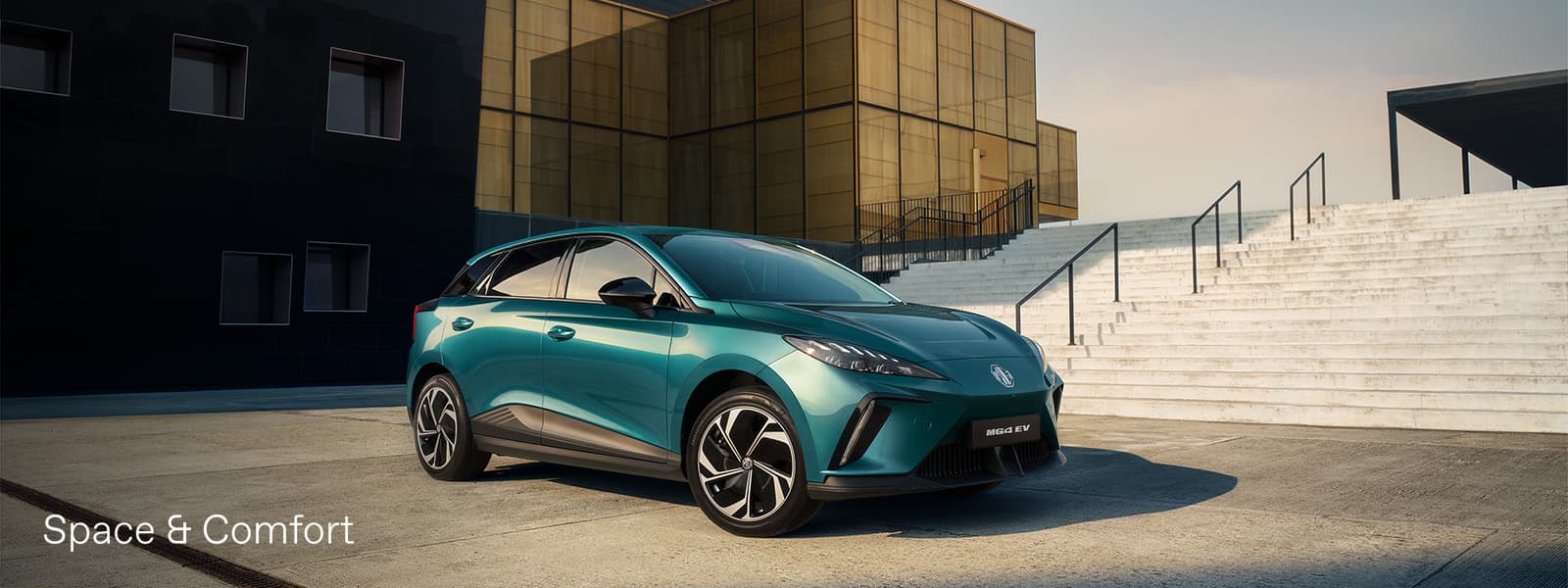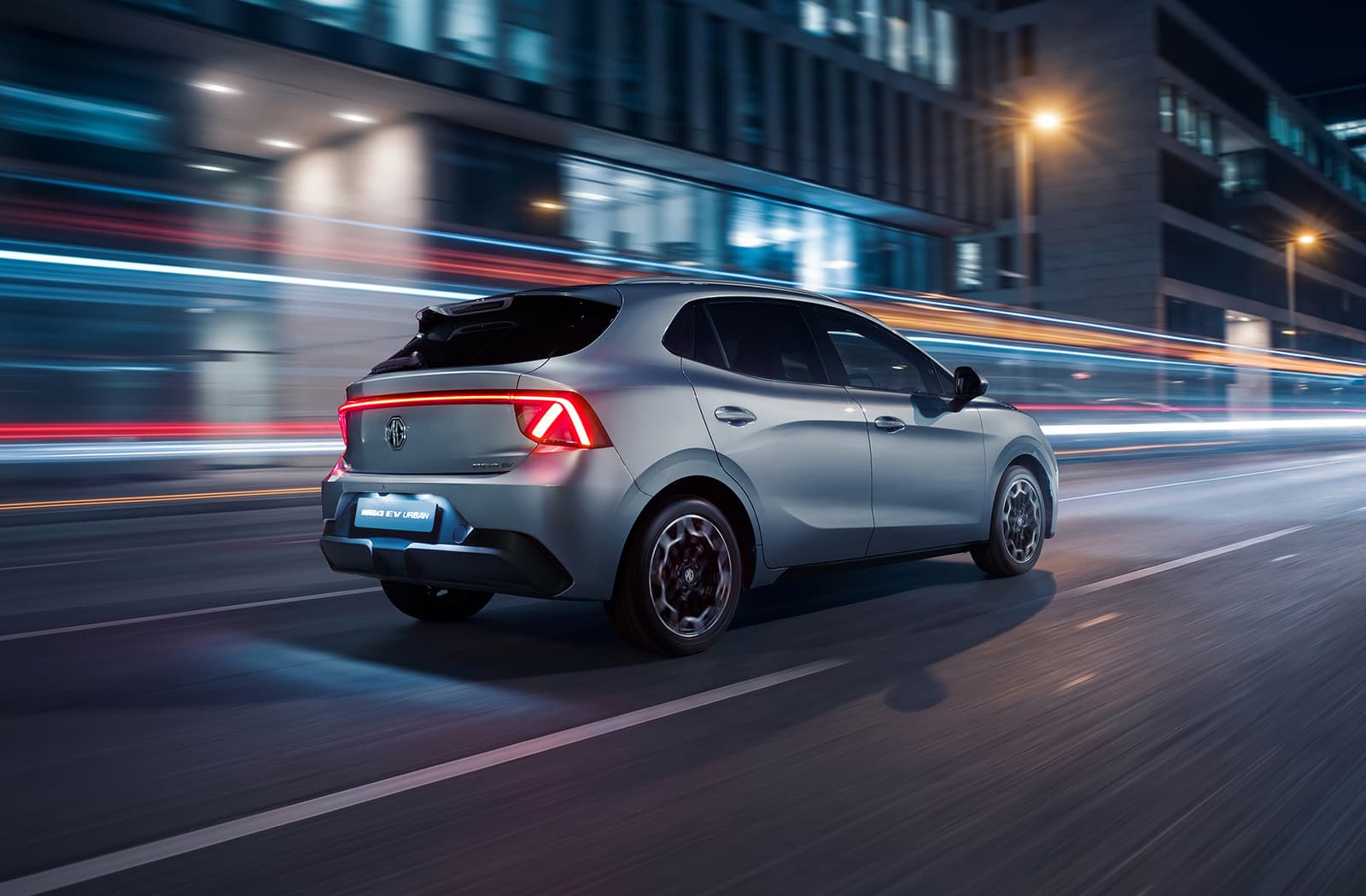
The vehicle is the easy part. Whether an EV fleet works in your market comes down to three things that have nothing to do with the car: the power available where it parks overnight, the connectors on the public network, and who can service a high-voltage system when something goes wrong.
Overnight power first
Most EV kilometres are charged slowly, overnight, at a depot or a home. Confirm the supply at that location before you confirm the order — single or three phase, available amperage, and whether the site can take a wallbox per vehicle or needs load management across a row of them.
Then the fast network
DC charging is the exception rather than the rule, but it decides how far the vehicle can usefully travel in a day. All three MG models we export use CCS2 and charge 10–80% in 25 to 28 minutes on a 150 kW charger. The MGS5 EV runs a 400-volt system and accepts up to 139 kW. Check what the chargers on your routes actually deliver — a 150 kW rating on the unit does not guarantee 150 kW at the car.
Service and parts
- Identify a workshop with high-voltage training before the vehicles land.
- Agree a first-order parts kit — 12V batteries, filters, wear items, tyres.
- Confirm the battery warranty terms that apply in your market, in writing.
- Check the diagnostic tooling your workshop will need for MG's systems.
We can quote a spare parts consignment alongside the vehicles and load it into the same container, which is usually cheaper than sourcing it after the first fault.